A blown engine does not care how tight your schedule is. And nine times out of ten, the problems that take a truck off the road for weeks started with skipped or delayed maintenance, especially oil changes. For a heavy-duty diesel working long miles under serious load, fresh oil is not optional. This guide is built for drivers, owner-operators, and fleet managers who want straight answers: what the warning signs actually look like, how often your truck really needs service, what oil to use, and when to stop waiting and call the oil filter change service.
Quick Take: Essential Truck Oil Maintenance Facts
|
Why Oil Changes Matter for Commercial Trucks
A commercial truck hauls up to 80,000 pounds, grinds up steep mountain grades, and sits idling for hours at busy distribution centers. That kind of heavy-duty abuse puts massive heat and stress on a diesel engine. Oil changes matter because fresh oil gives you the heavy-duty engine lubrication needed to reduce metal-to-metal friction when those big pistons are hammering away.
But it isn’t just about keeping parts slippery. Fresh oil plays a huge role in heat control, backing up your engine cooling system when you’re pulling a heavy load in the middle of July. Over time, soot from burning diesel, dirt, and moisture build up inside the block. Clean oil handles sludge and contaminant control, suspending that junk so the filter can grab it.
When your engine is clean and well-lubricated, it simply doesn’t have to work as hard. That means better fuel efficiency and a much longer engine life. Whether you’re an owner-operator running coast-to-coast or pulling local stop-and-go delivery routes, fresh oil is your best defense against breakdowns.
Signs Your Commercial Truck Needs an Oil Change
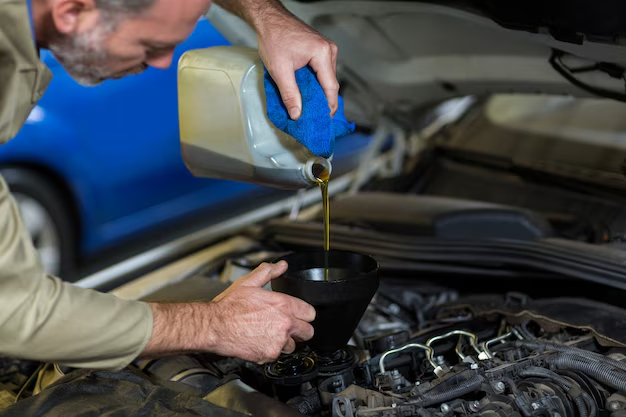
Your truck will usually tell you when it’s unhappy. Here are the main signs you’re overdue for fresh oil.
Dark, Gritty, or Sludgy Oil
Pull the dipstick on your next pre-trip and take a quick look. Fresh diesel oil starts amber, but it goes black fast in a diesel engine; that part is normal. What is not normal is oil that feels gritty when you rub it between your fingers, or looks thick and muddy on the stick. That means it’s loaded with dirt and contaminants, and it needs to come out.
Dashboard Warning Lights
If your oil pressure light comes on, don’t shrug it off. That light is your engine asking for help. It usually means your oil level is low or the oil has gotten too thick to move through the system properly. Either way, stop and check it before you keep driving.
Engine Knocking or Ticking Sounds
A healthy engine runs quietly. When the oil breaks down or gets too low, metal parts inside the engine start rubbing against each other with nothing in between. You’ll hear it as a ticking or knocking sound under the hood. If your engine starts talking to you like that, it’s already wearing faster than it should. Don’t wait on it.
Burning Oil Smell in the Cab
If you catch a hot, burnt oil smell while you’re rolling down the road, something is leaking. Oil is probably dripping onto the exhaust manifold or another hot surface and cooking off. Pull over, check your levels, and figure out where it’s coming from. Running the engine dry is not a situation you want to be in.
Poor Fuel Economy
Noticing you’re filling up more often than usual? Dirty oil could be part of the problem. Once oil starts breaking down and thickening, it creates more drag inside the engine. The engine has to work harder to keep moving, and that burns more diesel without giving you any extra power.
Sluggish Performance and Rough Idling
If your truck feels slow off the line, lazy on the throttle, or shakes and shudders while sitting at a light, the engine is not running the way it should. Degraded oil can cause rough combustion and uneven performance. It’s worth checking the oil before you assume it’s something worse.
Excess Exhaust Smoke
A little white puff on a cold startup is nothing to worry about. But if your stacks are pushing out thick blue or gray smoke while you’re moving, that’s a red flag. Blue smoke in particular means the engine is burning oil internally, usually a sign that worn piston rings are letting oil slip through where it shouldn’t be.
Is your rig showing these signs? Don’t wait for a breakdown on the highway. Contact Flying Bird Truck Repair in Bakersfield for a fast, professional oil change service to get back on the road safely.
What Happens If You Delay an Oil Change
Pushing your oil change another thousand miles might seem like a good way to save a few bucks this week, but it’s a massive gamble. The first thing that happens is increased engine wear. As the oil breaks down, it loses its ability to protect the bearings, piston rings, and cylinder walls.
Next comes sludge buildup. Dirt, soot, and oxidized oil bake together into a thick, sticky mud that clogs the oil galleys. Once those passages are blocked, parts of your engine get starved of oil entirely. This leads straight to a higher operating temperature because the friction is out of control, and the oil can no longer cool the engine block.
As the engine struggles against this friction, you’ll see reduced fuel economy. Your truck burns more diesel just to overcome the resistance of its own internal parts. But the real hit comes from the risk of expensive repairs. A basic in-frame rebuild for a heavy-duty diesel engine can easily cost between $20,000 and $40,000 today. Skipping a $300 oil change to risk a $30,000 engine overhaul is just bad business.
Beyond the repair bills, you face more downtime and lost productivity. A blown engine means your truck sits in a repair bay for weeks instead of moving freight. Finally, dirty oil can have a serious impact on emissions-related components in diesel systems. Soot-heavy oil can bypass worn rings and permanently damage your Diesel Particulate Filter (DPF), adding thousands more to your repair bill. For more information check our guide on truck DPF filter cleaning and the importance of keeping it clean.
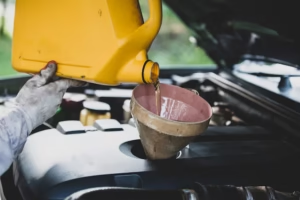
How Often Should a Commercial Truck Get an Oil Change?
There is no single magic number for every truck on the road. While a standard rule of thumb for diesel trucks is an oil change every 10,000 to 15,000 miles, your actual schedule depends entirely on how you use the truck.
You need to adjust your frequency based on these factors:
- Engine Age: Older engines naturally burn more oil and experience more blow-by, meaning they usually need fresh oil more frequently.
- Load Weight: Pulling maximum weight requires maximum engine output. The extra heat breaks the oil down much faster.
- Driving Conditions: Stop-and-go city traffic, excessive idling, and driving on dusty dirt roads introduce more contaminants and engine hours than smooth highway cruising.
- Geography and Climate: Where you drive matters. Operating in the extreme heat of the Central Valley or pulling steep mountain passes like the Grapevine puts severe stress on your oil. Cold weather can also cause oil to thicken and lose effectiveness.
Always start with the manufacturer’s manual for your specific engine block, and then consult with your truck repair services mechanic to adjust the interval based on your real-world route conditions.
Choosing the Right Oil for Your Commercial Truck
All motor oils are not created equal. When it is time for service, you need to make sure you are putting the right fluid back into the system.
You generally have two choices: conventional or synthetic.
Conventional oil is refined directly from crude oil and works fine for standard, light-duty driving conditions.
Synthetic oil is chemically engineered to provide superior protection. It withstands extreme heat much better without breaking down, flows more easily in freezing temperatures, and usually lasts significantly longer than conventional oil. If you are hauling heavy loads in extreme weather, a synthetic is almost always worth the extra upfront cost.
You also have to pay attention to viscosity—the oil’s thickness. The numbers on the bottle (like 15W-40) tell you how the oil behaves in cold and hot temperatures. Using a viscosity that doesn’t match your manufacturer’s recommendation will leave your engine unprotected.
When to Schedule Service Immediately
Sometimes you can’t wait for your scheduled maintenance date. If you experience any of these major red flags, get your truck into a bay right away:
- Oil warning light stays on: This means you have lost oil pressure. Shut the truck down immediately to prevent catastrophic failure.
- Engine knocking increases: Loud metal-on-metal sounds mean the engine is starving for lubrication.
- Oil level keeps dropping: If you’re constantly adding makeup oil, you have a severe leak, or you are burning it internally.
- Burnt smell appears: Oil is likely dripping onto your exhaust manifold or turbocharger, which is a massive fire hazard.
- Excess smoke develops: Continuous blue or gray smoke from the stack points to failing piston rings or valve seals.
- Performance drops sharply: If the truck refuses to pull a grade or idles terribly, bad oil or sludge could be choking the engine.
Final Takeaway
Regular oil changes are a small, highly affordable step that goes a very long way in the trucking industry. Whether you drive a single rig or manage an entire fleet, staying disciplined about your oil changes prevents engine damage, improves your fuel economy, and extends the lifespan of your equipment.
Don’t wait until your engine starts making awful noises or throwing dashboard codes. Be proactive. If you are overdue for service or notice any sluggish performance, bring your rig to a trusted local mechanic. If you are in the Bakersfield area, stop by Flying Bird Truck Repair. We specialize in fast, professional commercial truck oil changes and full truck repair services to keep your business moving forward safely and efficiently. Visit us today or call for even an immediate service need.