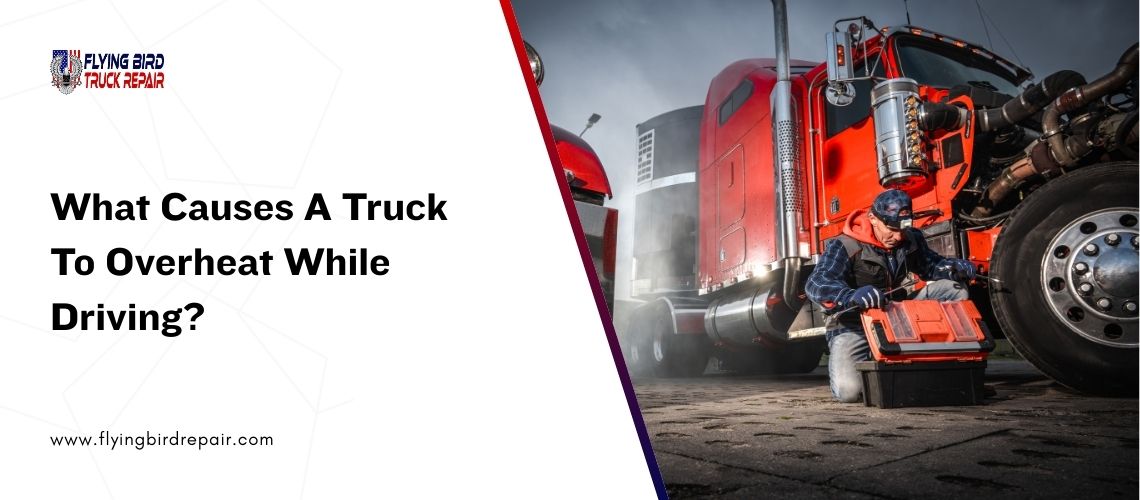
A truck engine runs most efficiently at a specific temperature, which is usually somewhere between 190F and 220F. If your temperature gauge reads above this, your engine is overheating. This condition, if left unattended, can cause catastrophic mechanical damage, crippling repair costs, and even engine failure. Understanding the causes of an overheating engine, whether you are a long-haul trucker or a commercial fleet manager, is critical to keeping your vehicle moving and avoiding unexpected downtime. In this guide, we will explain common truck overheating reasons and what you need to watch out for to keep your truck running cool.
Low Coolant Levels and Leaks
The top reason a truck overheats is that it’s out of coolant. The coolant (also called antifreeze) is a blend of water and chemicals that extracts intense heat from your engine and then releases it through the radiator. If the system does not contain enough fluid, there is nowhere for the heat to go.
Leaks can occur in various places, including:
- Cracked or brittle hoses that have worn out over time.
- A damaged radiator that has been punctured by road debris.
- Failing gaskets and seals that allow fluid to escape the system.
Warning Signs
Watch for puddles of bright green, orange, or pink fluid visible beneath your truck. You may also smell a sweet, maple–syrup–like smell inside or outside the cabin, or you may notice steam coming from under the hood. To avoid this, get in the habit of checking your coolant reservoir as part of your pre-flight inspection.
Faulty Water Pump and Poor Coolant Circulation
If coolant is the lifeblood of your cooling system, the water pump is the heart. Its only job is to pump the coolant in a constant flow from the radiator into the engine block and back. The coolant gets stagnant when the pump fails. Even if your fluids are full, the fluid in the engine block will boil while the fluid in the radiator is cool.
Symptoms of Failure:
- High-pitched whining: This often indicates a loose belt or a dying bearing inside the pump.
- Coolant leaks: specifically located at the front-center of the engine.
- Steam: Escaping from the radiator area.
Once the water pump fails, the heat disposal ceases instantly. This problem should be diagnosed by a professional; more often than not, they need to replace the pump to get it properly circulating.
Malfunctioning Thermostat
The thermostat is a tiny valve that serves as a gatekeeper for your coolant. It controls the flow for the desired temperature to obtain optimal working temperature in the range of 190-220°F. When the engine is cold, the thermostat remains closed to allow it to warm up; when it gets hot, it opens to permit coolant flow to the radiator.
The issue is when your thermostat becomes stuck closed. That seals hot coolant in the engine block, with no way to cool off.
Common Symptoms:
- Erratic gauge readings: The temperature might spike rapidly shortly after starting the truck.
- Cold heater: If the heater is blowing cold air but the engine is hot, it could mean the coolant isn’t circulating to the heater core.
Diagnosing a bad thermostat often involves a code reader and professional insight, but it is a relatively cheap part to replace versus a blown engine.
Radiator Problems (Clogs and Blockages)
Another one among the causes of truck overheating is the radiator. It is the heat exchanger for the truck. However, its efficiency can be compromised by blockages—both internal and external.
Internal Blockages: The old coolant can deteriorate over time, and it is normal for rust, scale, and sediments to build up inside the radiator tubes. This sludge impedes the flow and also stops the coolant from getting cool.
External Blockages: Trucks travel dirt roads. Dust, bugs, leaves, and road debris can get trapped in the fins on the front of your radiator, blocking the flow of air. Without air flowing through the fins, there is no way to dissipate the heat.
Also, a bad radiator cap can kill your engine quietly. The cap holds system pressure; when it goes bad, the system drops pressure, lowering the coolant’s boiling point and causing air bubbles. Routine cleaning of the front of your radiator and checking the cap are easy maintenance wins.
Low Oil Levels
Many drivers lose sight of the fact that the engine oil is not only a lubricant, but it also plays a vital role in the engine cooling process. Oil minimizes the friction between the moving metal surfaces inside your engine.
Friction increases substantially when oil is low. This friction produces too much heat—sometimes more than the cooling system can handle by itself.
Warning Signs:
- Illuminated oil pressure warning light.
- Loud clunking or ticking sounds from the engine.
- A sudden drop in fuel efficiency.
The prevention here is simple: stick to your scheduled oil changes and check the dipstick regularly to ensure you aren’t running dry.
Cooling Fan and Fan Clutch Failures
Most heavy-duty trucks depend on a big cooling fan to draw air through the radiator when the truck is sitting still or driving slowly along.
If the fan isn’t turning fast enough, the engine is going to overheat in traffic or at low speeds. The problem is usually the fan clutch. The clutch is supposed to make the fan come on when the engine gets hot. When the clutch is bad, it doesn’t engage the fan fully, resulting in not enough air flow.
It is particularly prevalent in trucks that run hot or are in stop-and-go traffic.
Additional Contributing Factors
Sometimes, truck overheating is caused by a combination of smaller issues or external factors:
Airlocks: Air bubbles trapped in the coolant system can block the flow of liquid, creating “hot spots” in the engine.
Blown Head Gasket: This is a major failure that allows coolant to leak into the combustion chamber (or oil), often characterized by bubbling coolant or white exhaust smoke.
Worn Belts and Hoses: A slipping serpentine belt won’t turn the water pump efficiently, and soft, squishy hoses can collapse under pressure.
Extreme Conditions: Driving a fully loaded truck up a steep grade in 100-degree weather pushes any cooling system to its limit.
Wrapping Up
Ignoring an overheating engine is a bet that you are going to lose most of the time. In case your temperature gauge shows a higher reading, you should pull over at a safe place immediately to avoid irreversible engine damage. The secret to not having these breakdowns is regular maintenance.
If your truck temperature is spiking or you have a cooling system problem, do not take the risk with your engine. Get in touch with Flying Bird Truck Repair right away. Our specialists will find the problem behind your truck’s overheating and get you back on the road safely and promptly.
FAQs
What should I do immediately if my truck overheats while driving?
Pull over, turn off the vehicle, and let it cool down. Never open the radiator lid when it’s hot. After cooling down, check coolant levels and take the car to a mechanic if the problem continues.
Can I drive my truck if it's overheating?
No, do not drive an overheating truck! Additional driving can lead to warped heads, blown gaskets, or even engine failure. Even a short drive can push small repair bills into big ones.
Why does my truck overheat only when idling or driving at low speeds?
This is most often a bad cooling fan or fan clutch. At low speed, the natural airflow is not enough to cool, so we have the fan to force the airflow. Highway speeds provide adequate airflow without fan assistance.
How can I tell if my thermostat is stuck closed?
Signs of a failing thermostat are rapid temperature rise after startup, erratic gauge, and a cold heater. A stuck thermostat is when the thermostat prevents coolants from flowing through the engine, and the engine heats up rapidly.
How often should I check my truck's coolant and oil levels?
Check levels weekly or prior to extended journeys. Heavy-duty trucks might need more frequent errands. Adhere to manufacturer schedules for necessary oil changes and examine hoses & belts every month.